How to pack for a move: the Geneva movers’ guide
Pack in sturdy boxes, heavy at the bottom and light on top, never more than 25 kg per box. Stand plates upright on their edge in small boxes, fill every box to the top, seal it with an H of tape and write the destination room on two sides. Here are the methods our crews use every day, material by material and room by room.
The full guide to print
7 illustrated pages to keep next to your boxes: the same guide we hand out with our packing materials.
The 6 golden rules
1. Heavy at the bottom, light on top
In every box and in every stack. Heavy items go in the small boxes.
2. 25 kg maximum
Aim for 20 to 25 kg, never more. If you can’t lift the box easily, it’s too heavy: top it up with light items.
3. Fill to the top
A half-empty box gets crushed when stacked. Fill the gaps with paper.
4. Nothing should move
Gently shake the closed box: if you hear movement, add paper.
5. Seal with an H
One strip of tape along the seam and one along each edge, on the top and the bottom.
6. Label two sides
Room, contents and number on the sides: in a stack, the top is hidden.
The right materials and what they are for
New double-wall boxes can be stacked in a van; supermarket boxes cannot. Here is what we use and what we deliver to our clients. To work out how many boxes you need and where to find them, see our guide Moving boxes in Geneva.
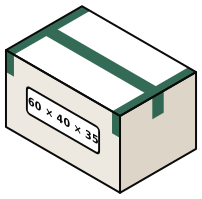
Standard box · 60 × 40 × 35 cm
The all-purpose box, for volume rather than weight: pots and pans, small appliances, linen, folded clothes, shoes, decor, toys.
- One room = one box: don’t mix kitchen and bedroom.
- Heavy at the bottom, light on top, then fill the gaps with crumpled paper.
- No books: once full, it would exceed 25 kg.
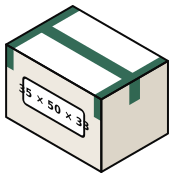
Book box · 35 × 50 × 33 cm
More compact and rigid, for anything heavy and dense: books, binders, records, plates and dishes, tins, tools.
- Books flat or upright as on a shelf, never spine up.
- Too heavy before it’s full? Finish with linen or light items.
- The best box for crockery: its walls hold up better.
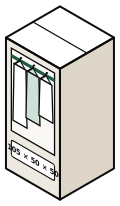
Wardrobe box with rail · 105 × 50 × 50 cm
A portable wardrobe: shirts, suits, dresses and coats travel on their hangers and arrive crease-free.
- Assemble the box next to the wardrobe, fit the rail, then move hangers in batches.
- Don’t squeeze: clothes should hang freely.
- At the bottom: shoes in a bag or light handbags, nothing more.
At DL Company, wardrobe boxes are on loan: delivered with your materials if you let us know, otherwise brought on moving day, then taken back at the end. Would you like to keep some? They cost CHF 20 each.
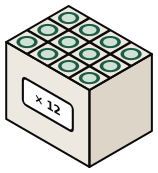
Bottle box · up to 12 bottles
The simplest and safest option for wines, spirits and oils: one bottle per slot, always upright. Opened bottles: cap tight, a strip of tape, then a sealed bag.
Packing paper
Plain unprinted paper: it won’t stain your crockery or linen, unlike newspaper. At least one sheet per item, two or three for very fragile pieces, and about 5 cm of crumpled paper at the bottom of every fragile box.
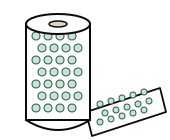
Bubble wrap
For very fragile and valuable items: vases, ornaments, table lamps, small electronics. Bubbles facing the item, then tape the wrap to itself, never to the item. On varnished wood, lacquer or leather, put a sheet of paper first: plastic can leave marks.
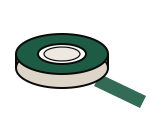
Packing tape
To seal boxes with an H, top and bottom. Never directly on furniture, floors or walls: it strips varnish and paint. And don’t close a box by interlocking the flaps: it gives way under weight.
Assemble and seal a box in 4 steps
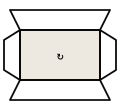
1. Unfold the box and turn it upside down.

2. Fold the short flaps, then the long ones, edge to edge.
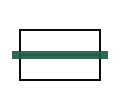
3. One strip along the seam, overlapping 10 cm down the sides.
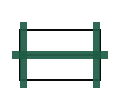
4. One strip along each edge: that’s the “H”. Fill, then seal the top the same way.
How to pack crockery and fragile items
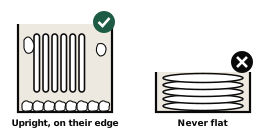
Plates travel upright, like records:
- Take a book box and put 5 cm of crumpled paper at the bottom.
- Wrap each plate in a sheet, then bundle them in threes or fours in a second sheet.
- Stand them upright on their edge, never flat: they withstand shocks far better.
- Pad the sides and finish with a layer of paper. Nothing should move.
- Write “FRAGILE” and “↑ THIS WAY UP” on two sides.
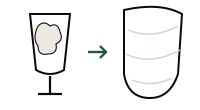
Glasses and cups
- Stuff the inside with a ball of paper, then wrap.
- Stemmed glasses: protect the foot and stem first, the weak point.
- Cups: wrap the handle separately.
- Always in the top layer, never under heavy items.
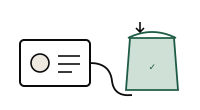
Small electronics and table lamps
- Take a photo of the connections before unplugging.
- Cables and remotes in a labelled bag, in the same box.
- Original packaging if you have it; otherwise bubble wrap and padding.
- Back up your data before the move.
- Lamps: remove the bulb and shade, pack them separately.
What our movers protect on moving day
When you move with DL Company, leave these items accessible and unpacked: our team takes care of them with its own materials.
TVs and screens
Unplug them and put cables and remote in a labelled bag. We wrap them on site.
Frames, paintings and mirrors
We protect them on moving day. Large or valuable piece? Tell us beforehand.
Mattresses
We bring protective covers in every size and take them back at the end of the job.
Ceiling lights to remove
If included in your quote, we take them down and pack them. Keep the flat’s original sockets and bulbs at hand: our technician refits them while on site, so the flat is ready for the move-out inspection. Don’t have them anymore? Let us know and we’ll bring what’s needed.
Room by room
Kitchen
Crockery in book boxes, bottles in bottle boxes, nested pots and small appliances in standard boxes. Opened products: closed, taped, in a bag.
Bedrooms
Clothes on hangers in wardrobe boxes, folded clothes and linen in standard boxes or suitcases. Chests of drawers and wardrobes empty: furniture is moved empty.
Bathroom
Bottles tightly closed, upright, in a bag. Essential medication stays with you, not in a box.
Office and documents
Files and binders in book boxes, computer data backed up. Passports, contracts and important papers stay with you.
Dismantled furniture
Screws and fittings in a sealed bag named after the piece, and all the bags in one single “SCREWS & FITTINGS” box. Tell us about chipboard, MDF, glued or fragile furniture.
Appliances
Fridge and freezer emptied and defrosted 24 to 48 hours before, door ajar. Washing machine emptied, water drained, transit bolts fitted.
Pro tips
- Long but light item? If it sticks out of one box, use two, one on top of the other: open the top of the first and the bottom of the second, slot them together and tape all around the join.
- Your suitcases are boxes too. Fill them with clothes, linen or shoes. Nothing fragile inside.
- IKEA-type or vacuum bags. Accepted if sturdy, only for light, unbreakable items: sheets, duvets, cushions. We use them to fill gaps in the van.
- Linen as padding. Towels, tea towels and jumpers protect as well as paper in non-fragile boxes.
- Small items in bags. Costume jewellery, batteries, small supplies: in a sealed bag before going into the box.
- Shoes. Crumpled paper inside to keep their shape, in pairs in a bag.
- Measure first. Doors, stairs and lift in your new home: tell us about any piece of furniture that might not fit.
- When unpacking, check the paper before throwing it away: small items hide in it.
How to label your moving boxes
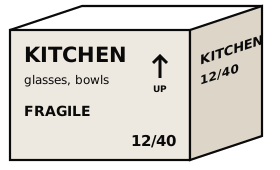
- Write on two opposite sides, in 5 cm letters: in a stack, the top is hidden.
- Write the room in your new home, not the one the box comes from.
- Contents in two or three words, then a number (12/40). Keep the list on your phone.
- “FRAGILE” and “↑ THIS WAY UP” only when useful.
- In your new home, tape a sheet with the same room name on each door: every box lands in the right place.
The “OPEN FIRST” box. Sheets and towels, toilet paper, chargers, medication, screwdriver and box cutter, a few plates and cutlery, coffee, bin bags. It goes last into the van, or travels with you.
What to keep with you
No loose items. We do not load unpacked items: anything that isn’t furniture or an item we protect ourselves must be in a box, a suitcase or a closed bag.
Keep with you
- Cash, bank cards and jewellery
- Passports, contracts, important documents
- Keys, badges and codes
- Essential medication
- Computers and data storage
- Irreplaceable items of sentimental value
What we do not transport
Without written agreement:
- Explosive, flammable, toxic or corrosive substances (petrol, white spirit, aerosols, chemicals)
- Fuels and unsecured gas bottles
- Illegal substances
- Live animals
Your timeline, from two weeks before to moving day
Two weeks before
Sort, donate, throw away: less volume, fewer boxes. Start with what you use least (cellar, books, decor, off-season clothes) and tell us about heavy or valuable items.
One week before
One room at a time, each box sealed and labelled before the next. Keep a numbered list of your boxes.
The day before
Fridge emptied and defrosted, washing machine ready, furniture emptied, screws grouped. Boxes near the entrance, heavy ones at the bottom. Original sockets and bulbs at hand.
Moving day
Be there or send a representative. Photograph the meters on departure and arrival, do a last check (wardrobes, cellar, balcony, garage) and report any damage right away.
After the move, we take back wardrobe boxes and mattress covers at the end of the job. Other boxes bought with your quote are yours; otherwise, fold them flat and let us know: we collect them free of charge anywhere in the canton of Geneva, on a date and time that suits you.